
Table of Contents
- Corporate Live Streaming Providers: Quick Comparison
- Webcasting Livestream: Professional End-to-End Solutions
- Dream Engine: Multi-Camera Production for High-Pressure Events
- Present Live Productions: Broadcast-Quality Hybrid Event Streaming
- Go Live Australia, The Media Joint, and Regional Specialists
- Understanding Corporate Webcasting Services Cost
- Best Practices for Corporate Live Events
- Conclusion
Last Updated: August 19, 2026
Corporate Live Streaming Providers: Quick Comparison
Choosing the right corporate live streaming provider can mean the difference between a flawless event and a technical disaster that undermines your message. The stakes are high: a failed broadcast during an AGM, product launch, or town hall doesn’t just damage credibility, it wastes resources and leaves your audience frustrated.
At Webcasting Livestream, we’ve managed hundreds of corporate events across the country, and we’ve seen firsthand what separates reliable providers from those that cut corners. This guide covers the key corporate live streaming providers operating in Australia, what they actually deliver, and how to evaluate whether they’re right for your needs.
The reality is that not all live streaming services are built equal. Some specialise in social media broadcasts and can’t handle enterprise-scale events. Others promise reliability but lack the technical infrastructure to back it up. A few genuinely deliver on their guarantees, and those are the ones worth your investment.
Quick Picks:
- Best Overall: Webcasting Livestream, no-drop guarantee with fail-safe procedures and content ownership
- Best for Multi-Camera Production: Dream Engine, experienced crew for complex, high-pressure corporate events
- Best for Hybrid Events: Present Live Productions, broadcast-quality integration of in-room and remote audiences
- Best Budget-Conscious Option: Go Live Australia, nationwide crews with established corporate clientele
Webcasting Livestream: Professional End-to-End Solutions
Webcasting Livestream delivers what most providers only promise: a genuinely fail-safe corporate live streaming experience. Their no-drop guarantee isn’t marketing language, it’s backed by fail-safe procedures and professional technicians on-site managing every variable.
What sets them apart is the architecture underneath. They use fail-safe procedures specifically to eliminate the single point of failure that kills most broadcasts. During a live event, if your primary connection falters, the secondary kicks in seamlessly. No buffering. No black screens. No explaining to your viewers why the stream went down.
Their service includes unlimited concurrent viewers, which matters more than most providers advertise. You’re not paying per-viewer or worrying about bandwidth throttling at scale. A product launch with 3,000 attendees streams at the same HD quality as a 300-person AGM. All video is recorded automatically and delivered to you at no extra cost, you own the content outright, which is critical for training archives, compliance records, and future repurposing.
The team handles everything from technical rehearsal to post-event delivery. They’ll test your internet connection beforehand, walk through your presentation flow, integrate graphics and remote presenters, and manage audio mixing during the live event. This hands-on approach eliminates the setup burden on your IT team, who are usually already stretched managing internal systems.
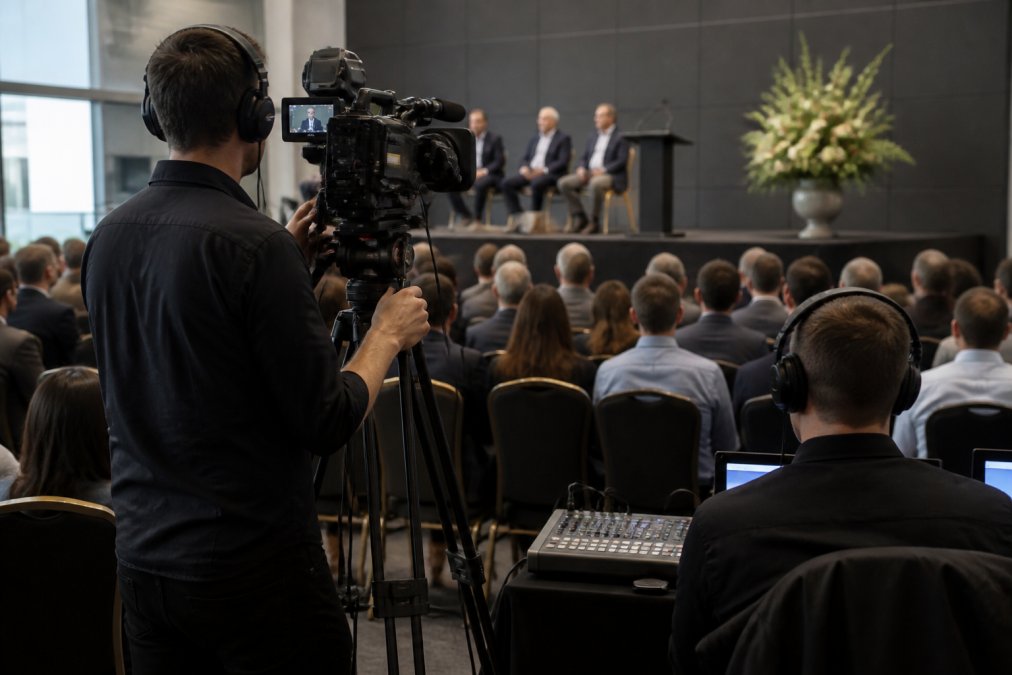
Pricing depends on event complexity, camera count, and duration. For registered Australian charities, they offer discounted rates. The transparent, event-based model means no surprise fees or hidden per-viewer charges.
The one limitation: they focus on quality over convenience. This isn’t a DIY platform where you can hit “go live” from your laptop. It’s a managed service that requires coordination and planning. For organisations that need a guaranteed, professional result, not a quick-and-cheap solution, that’s precisely the point.
Dream Engine: Multi-Camera Production for High-Pressure Events
Dream Engine specialises in the events where everything has to work perfectly on the first take. Melbourne-based but operating across Australia, they’ve built their reputation on handling corporate communications that can’t afford to fail, AGMs with board announcements, sensitive internal broadcasts, complex multi-location events.
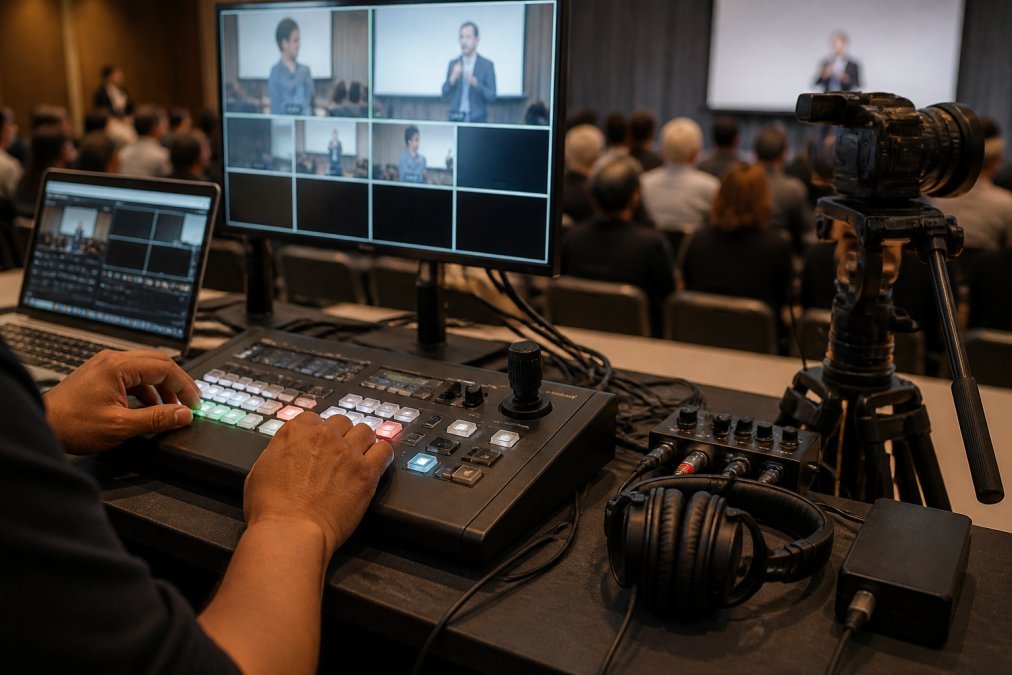
Their strength is in production complexity. They manage multi-camera switching in real time, integrate presentations and graphics seamlessly, and handle remote presenters from Zoom or Teams without the typical lag or audio sync issues that plague hybrid setups. If your event involves coordinating multiple content streams, speakers at different locations, or live polling and Q&A, they’ve done it dozens of times before.
What you’re paying for is experience under pressure. Their team conducts thorough technical rehearsals, tests internet connectivity at your venue, and runs through every contingency. They arrive early, stay late, and treat your event like their reputation depends on it, because it does.
The downside is transparency. Pricing isn’t published, which means you need to contact them for a quote and wait for a response. For organisations on a tight timeline or with limited budgets, that friction matters. They also primarily focus on Victoria and Melbourne, though they’ve successfully delivered projects across the country.
Present Live Productions: Broadcast-Quality Hybrid Event Streaming
Present Live Productions brings decades of broadcast television experience to corporate events, and it shows. They specialise in hybrid events, the increasingly common scenario where you need to seamlessly connect in-room attendees with remote viewers without anyone feeling like a second-class audience member.
Their broadcast-quality approach means professional lighting, audio, and camera work. They handle the technical complexity of integrating multiple content sources (presentations, remote participants, graphics, live polling) into a single coherent broadcast. For organisations that want their virtual event to feel as polished as their in-person experience, this is the standard.
They’ve worked with established clients like Bowls Victoria and understand the specific demands of government, corporate, and sporting events. The testimonials emphasise how they make complex productions feel simple, which is exactly what you want from a production partner.
Like most premium providers, pricing requires a direct quote. The lack of published rates makes budget planning harder for finance teams. Their website also doesn’t detail specific interactive features beyond the basics, which could be a limitation if you need advanced audience engagement tools. corporate event photography.
Go Live Australia, The Media Joint, and Regional Specialists
Go Live Australia operates from Sydney with dedicated crews across major Australian cities. They’re trusted by high-profile corporate clients including Microsoft and Amazon, and they’ve built their business around branding and customisation. They create custom landing pages for your event, handle nationwide logistics, and focus on making the viewer experience feel professional and on-brand.
The strength is reach and scale. They can deploy crews in most Australian cities and manage events with thousands of concurrent viewers. Their experience with major corporate clients means they understand complex internal communications, product launches, and stakeholder broadcasts.
The limitation: pricing is opaque, and specific interactive features beyond custom landing pages aren’t clearly detailed on their website.
The Media Joint based in Sydney takes a different approach, they’ll simulcast your event across Facebook, YouTube, Twitch, Vimeo, Twitter, and Livestream simultaneously. This multi-destination strategy is valuable if you’re trying to reach audiences on multiple social channels without managing separate broadcasts.
They also excel at hybrid events, integrating remote callers from Zoom, Microsoft Teams, Google Meet, or FaceTime directly into the broadcast. This capability matters if your event involves external participants or distributed teams.
Again, pricing is custom-quote only, and they’re primarily focused on Sydney, though they can handle interstate work.
Regional specialists like Moment 2 Moment (Melbourne), Sure Shot Film (Brisbane), and Lively Productions fill important niches. Moment 2 Moment emphasises internet testing and backup connectivity solutions, critical for venues with unreliable broadband. Sure Shot Film uses professional Blackmagic and Canon equipment for TV-grade output. Lively Productions offers fixed-price models with no per-viewer fees, which appeals to organisations wanting cost predictability.
The trade-off with regional specialists: they may lack the nationwide infrastructure and large-scale experience of national providers. For events under 1,000 viewers or single-location broadcasts, they’re often excellent value.
Understanding Corporate Webcasting Services Cost
Pricing in the corporate live streaming market varies dramatically based on what you actually need. Most providers don’t publish rates, which creates frustration for procurement teams trying to budget.
What drives cost:
- Event scale: Concurrent viewer count and event duration
- Production complexity: Single camera vs. multi-camera, graphics integration, remote presenter handling
- Technical requirements: Internet backup solutions, on-site crew size, technical rehearsal time
- Deliverables: Recording, editing, post-production turnaround, content licensing
Webcasting Livestream’s pricing depends on event complexity, camera count, and duration. Most competitors in the corporate space charge similar rates or higher, depending on complexity.
The critical question isn’t “What’s the cheapest option?” It’s “What’s the cost of failure?” A dropped stream during your AGM, a pixelated broadcast that makes your product launch look amateur, or a video that never gets delivered for training purposes, these failures are exponentially more expensive than paying for a reliable provider upfront.
Best Practices for Corporate Live Events
The provider you choose matters, but how you prepare matters equally. These practices apply regardless of which service you select.
Conduct a technical rehearsal. This isn’t optional. Run through your entire event flow with the production team at least 48 hours beforehand. Test every camera angle, audio feed, graphics transition, and remote presenter connection. Most technical failures are caught and fixed during rehearsal, not discovered live.
Test internet connectivity thoroughly. Even in metro areas, venue internet can be unpredictable. Have your provider test the connection speed, latency, and stability. If it’s marginal, request a bonded backup connection (dual internet lines) or arrange for mobile broadband backup. This is the single most important reliability investment you can make.
Plan your content flow clearly. Know exactly what’s being presented, in what order, and how transitions will happen. Provide graphics, logos, and presentation files to the production team well in advance. Last-minute changes during the broadcast are the enemy of smooth delivery.
Brief your presenters. If you have remote participants, walk them through the technical setup, audio checks, and timing. People unfamiliar with being on camera often speak too quickly, look at the wrong place, or move in ways that cause video compression artifacts. A 10-minute briefing prevents most of these issues.
Plan for audience engagement. Live Q&A, polls, and chat features require moderation. Assign someone to monitor and filter questions, ensure appropriate tone, and manage timing. A silent audience engagement tool is worse than having none at all.
Record everything. Even if you don’t plan to use the recording, having it as a backup is invaluable. Compliance, training, and future reference all benefit from having a complete record of what was broadcast.
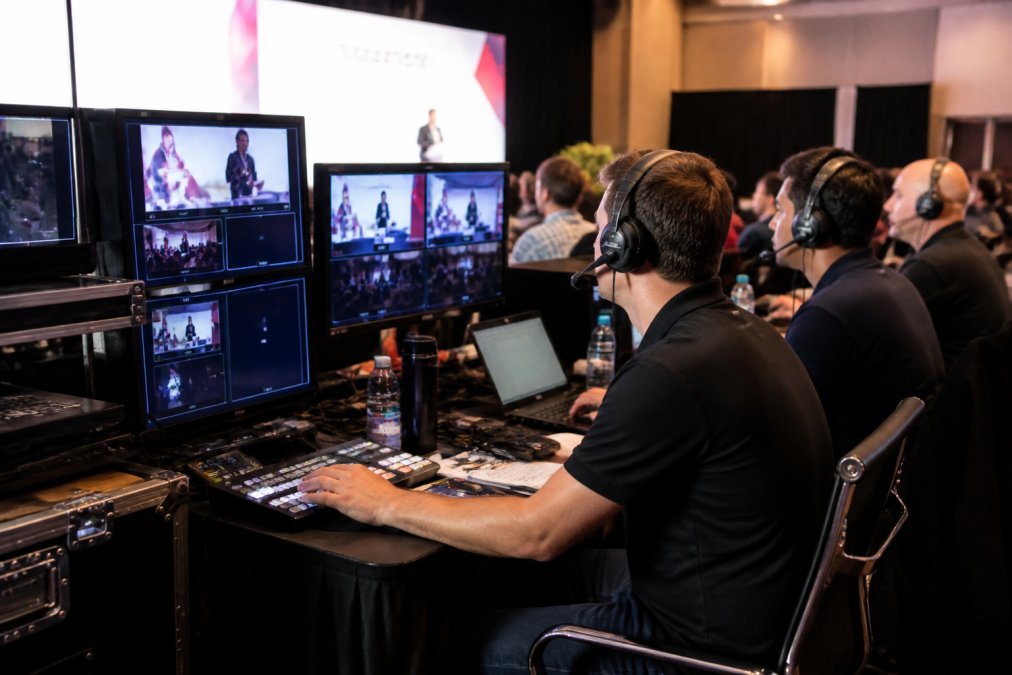
Plan post-production turnaround. If you need edited highlights, transcripts, or captions, discuss timelines upfront. Some providers turn around edited videos within 48 hours; others take weeks. Know what you’re getting and when.
Conclusion
The best corporate live streaming provider for your organisation depends on your event scale, geographic location, and technical requirements. For most organisations, the priority is reliability and content ownership, you need a provider that won’t drop your stream and ensures you own the recordings.
Webcasting Livestream delivers on both fronts with their no-drop guarantee, fail-safe infrastructure, and transparent pricing. Their professional managed service approach eliminates the burden on your internal IT team and ensures your event is broadcast flawlessly. With HD quality streaming across all devices, unlimited concurrent viewers, and all recordings provided at no extra cost, they’ve built their service around what corporate clients actually need.
Get a quote from Webcasting Livestream today and discuss your specific event requirements, they’ll walk you through the technical setup, conduct a rehearsal, and ensure your broadcast reaches your audience without a single glitch.
Frequently Asked Questions
What should I look for when hiring a corporate live streaming provider?
Prioritise providers offering a no-drop-off guarantee, HD streaming across all devices, and fail-safe procedures with redundant internet connectivity. Verify they provide full technical support on-site, include video recording at no extra cost, and ensure you own all content. Check their experience with events similar to yours in scale and complexity, and confirm they offer secure streaming with password protection if needed. Ask about their infrastructure for handling your expected concurrent viewer count.
How do I ensure my corporate live stream is secure and private?
Select a provider offering password protection, custom URLs, and access restrictions for sensitive internal communications. Confirm they use secure, encrypted streaming infrastructure and comply with Australian data privacy standards. Ask about their security protocols for handling confidential content and whether they can restrict geographic access or viewer permissions. Discuss backup procedures and where recordings are stored. A reputable provider will conduct technical rehearsals to test security settings before your live event.
What is the difference between a webinar platform and a professional webcasting service?
Webinar platforms are self-service tools designed for smaller audiences and simple presentations, typically with limited customisation and basic interactivity. Professional webcasting services provide end-to-end management: multi-camera production, broadcast-quality video encoding, dedicated technical crews on-site, professional audio-visual integration, and seamless hybrid event management. Webcasting is ideal for high-stakes corporate events, large audiences, and complex productions where production quality and reliability are non-negotiable.
Do corporate live streaming providers offer on-site technical support?
Yes, professional corporate live streaming providers include on-site technical support as standard. This includes internet connectivity testing, backup broadband solutions, audio and visual checks, real-time stream monitoring, and troubleshooting during your event. Providers manage all technical aspects so your internal IT team can focus on other priorities. Pre-event technical rehearsals ensure everything runs smoothly, and dedicated support staff remain present throughout your broadcast to handle any issues immediately.
How much does professional corporate live streaming cost?
Pricing for professional corporate live streaming depends on event complexity, audience size, production requirements (multi-camera setup, graphics integration, remote presenter support), and streaming duration. Most providers offer customised quotes based on your specific needs rather than fixed rates. Factors affecting cost include technical crew requirements, equipment specifications, on-site support hours, and whether you need hybrid event capabilities. Contact providers directly for transparent pricing aligned to your event scope and budget.
This article was written using GrandRanker